Ethical Origins, Beautiful Spaces
Today we’re exploring sourcing ethical materials and artisan-made decor with traceable provenance, turning abstract values into tangible choices. Discover how to verify origins, honor craftspeople, and design spaces that carry integrity in every fiber and finish. You will find practical checklists, real stories, and transparent methods that help convert good intentions into reliable purchasing decisions and long-term relationships.
From Forest to Living Room: Tracing Materials with Confidence
Reliable provenance starts with clear documentation and continues through respectful partnerships. We look at how certificates, audits, and on-the-ground visits align to protect ecosystems and livelihoods, ensuring every board, textile, or shard of clay can be accounted for. With practical research habits, you can replace guesswork with evidence and choose sources that stand up to scrutiny.
Celebrating Craft, Not Just Aesthetic
Beauty deepens when you recognize who shaped it and why techniques endure. By honoring community leadership, safe workshops, and time-tested methods, decor carries meaning beyond surface appeal. This lens helps buyers respect local knowledge, protect cultural expressions, and sustain livelihoods without romanticizing struggle or excusing shortcuts.
Materials That Respect People and Planet
Choose inputs that minimize harm and maximize renewal. Reclaimed timbers, certified sustainable woods, plant-based dyes, natural latex, recycled metals, and low-VOC finishes reduce waste while supporting healthier workshops and homes. Combining durability with repairability ensures objects age with character, not toxicity, extending usefulness and emotional attachment.
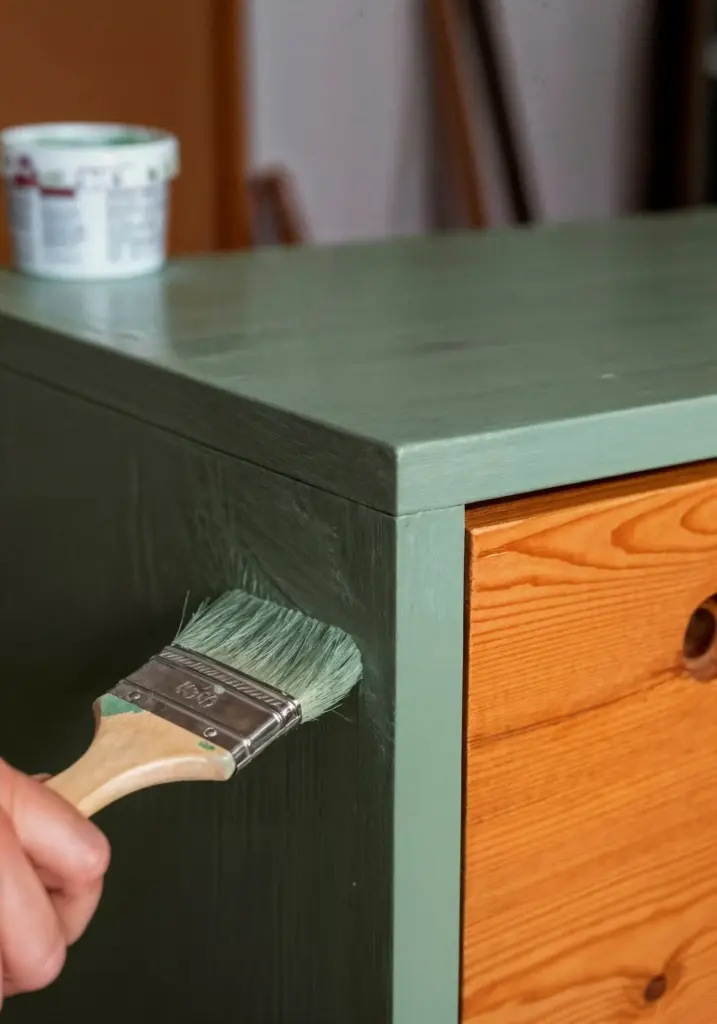



Practical Sourcing Workflow for Small Studios
Clarity grows from routines you can repeat under pressure. Map values into criteria, shortlist only partners who document well, request samples with traceable batch data, and pilot small orders before scaling. Schedule check-ins, track improvements, and celebrate progress publicly to reinforce accountability and motivate continuous, shared learning.
Building a Supplier Scorecard You’ll Actually Use
Keep it simple and weighted. Criteria might include material verification, labor safeguards, environmental management, communication speed, and corrective action responsiveness. Use color codes for quick reviews, attach evidence links, and revisit quarterly with suppliers, turning the scorecard into a joint roadmap instead of a one-sided judgment.
Small Orders, Big Transparency
Pilot runs reveal more than glossy presentations. Ask for batch-level logs, waste rates, and time studies on a handful of units. Offer feedback constructively, pay promptly, and confirm any fixes in the next micro-order. This incremental rhythm builds trust while reducing both financial risk and hidden impacts.

Designing for Longevity and Repair
Ethical sourcing shines brightest when products last. Favor joinery over glues, modular construction, and finishes that can be renewed at home. Provide spare parts, clear instructions, and realistic warranties. Extending service life reduces extraction pressure, honors artisan effort, and strengthens the bond between owner and object.
Community, Feedback, and Collective Impact
Progress multiplies when we learn together. Share supplier leads you trust, ask hard questions openly, and help refine due diligence checklists through real experiences. Subscribe for field notes, interviews, and case studies, and add your voice in comments so our shared standards become clearer, kinder, and stronger.

All Rights Reserved.