Design That Lasts, Feelings That Endure
Today we explore emotional durability in interior design—creating spaces and pieces meant to last by nurturing affection, trust, and meaning over time. Expect stories about materials that grow more beautiful, forms that invite touch, lighting that supports mood, and care rituals that deepen connection. Along the way, you’ll find practical steps, small experiments, and reflective prompts to help every choice age with grace, reduce waste, and feel more like home every single year.
Understanding Enduring Affection
Emotional durability is the art of designing rooms and objects that people continue to cherish long after the first spark of novelty fades. Instead of chasing quick excitement, it builds relationships through comfort, reliability, and memory. The result is less churn, fewer regretted purchases, and a quieter, more grounded life where the things around you support rituals, tell stories, and encourage responsible care rather than restless replacement.
Materials That Age With You
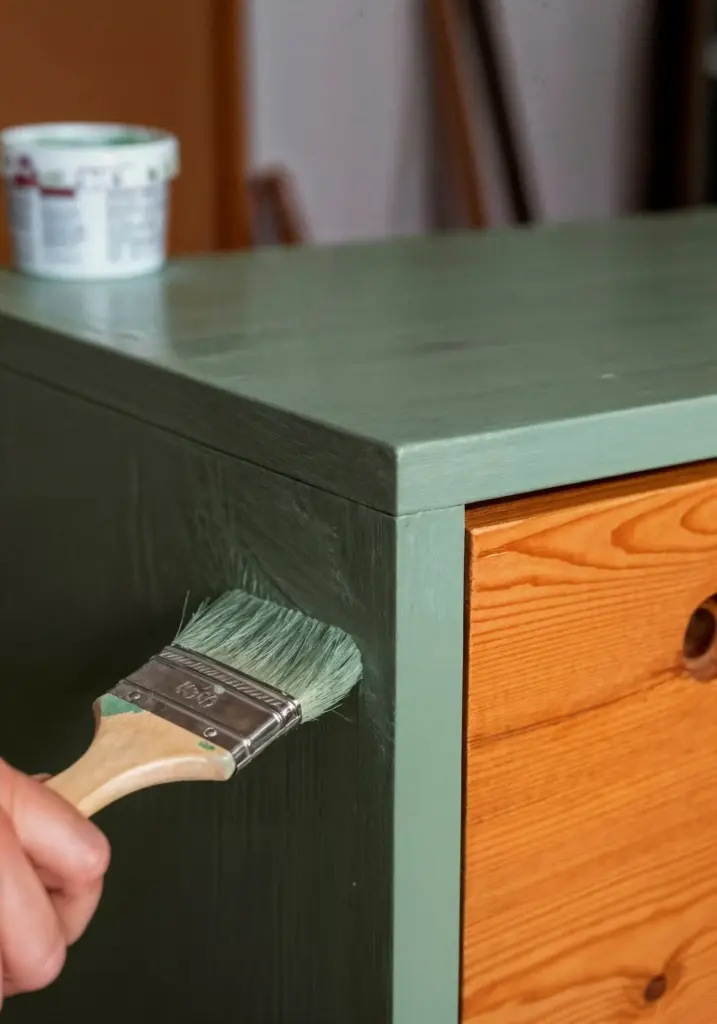
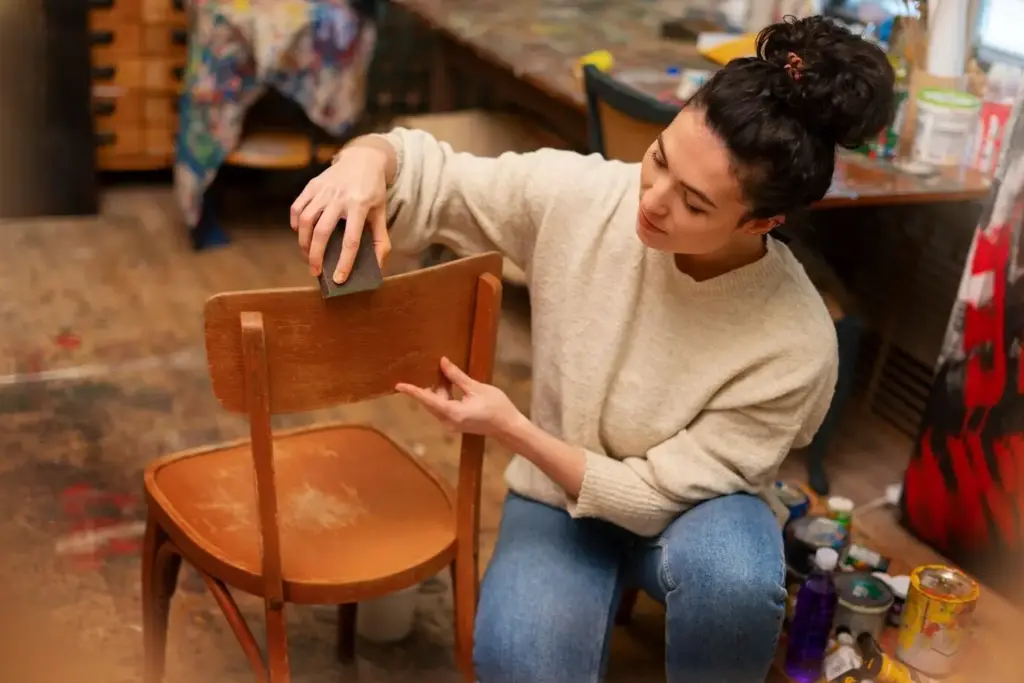
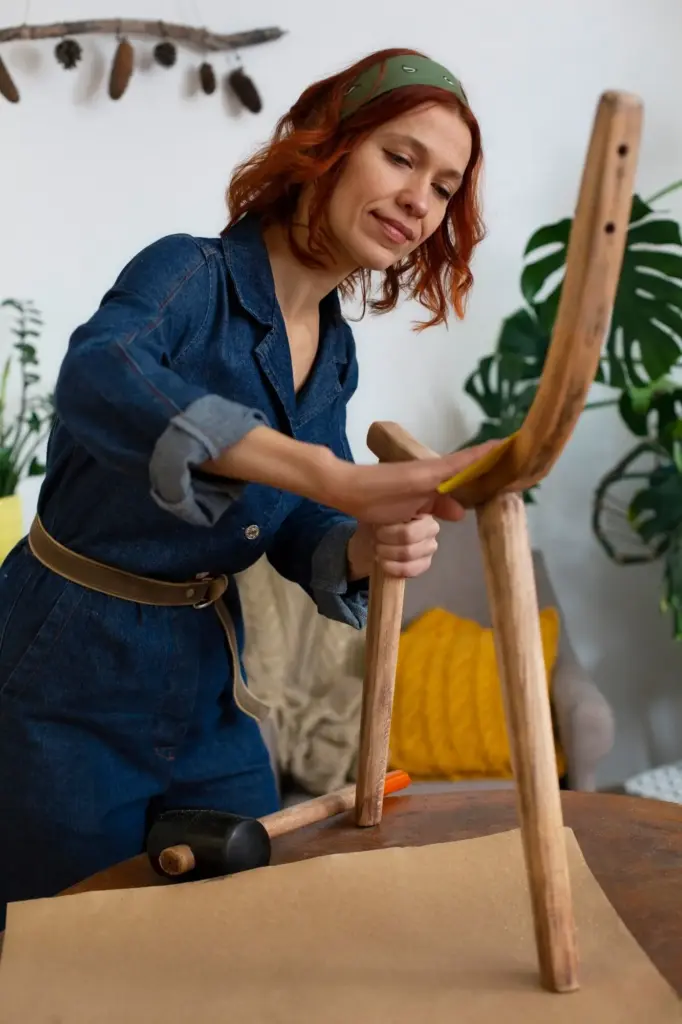
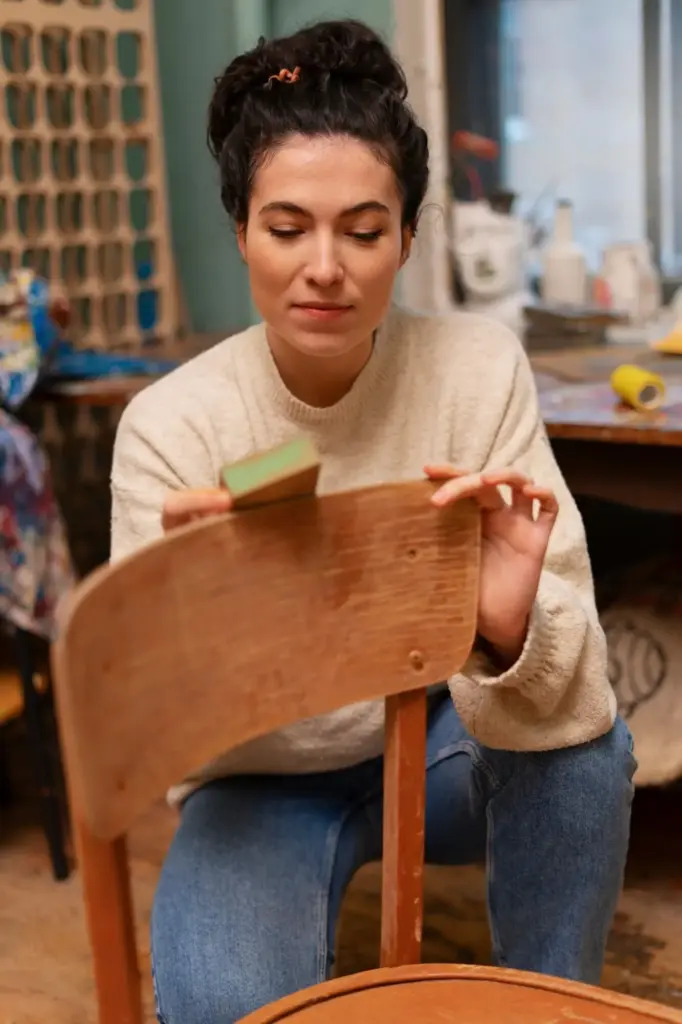
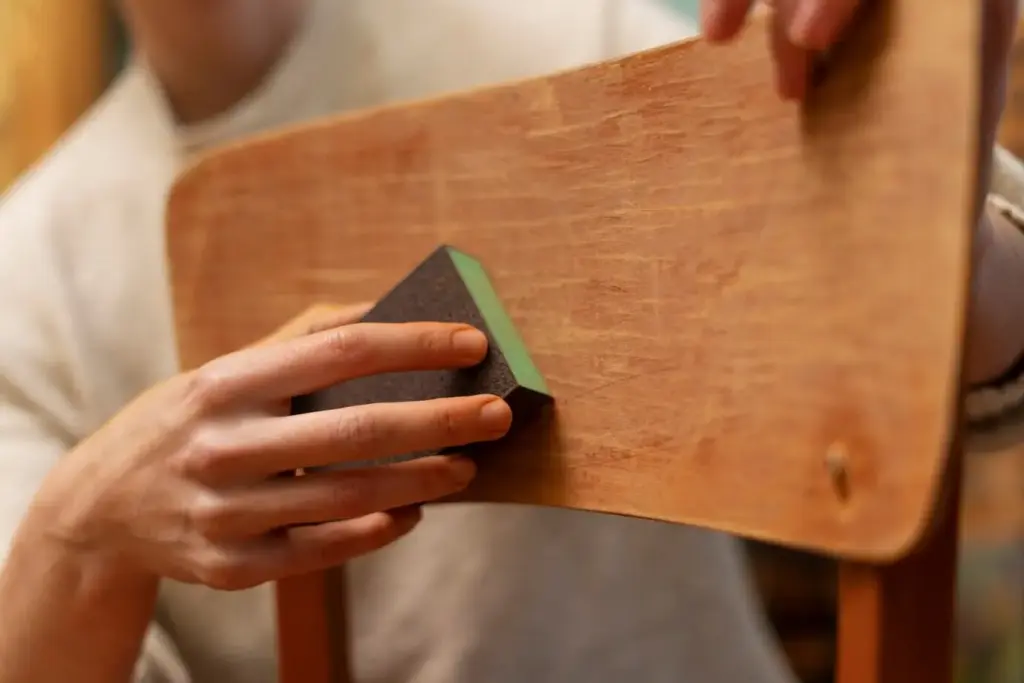
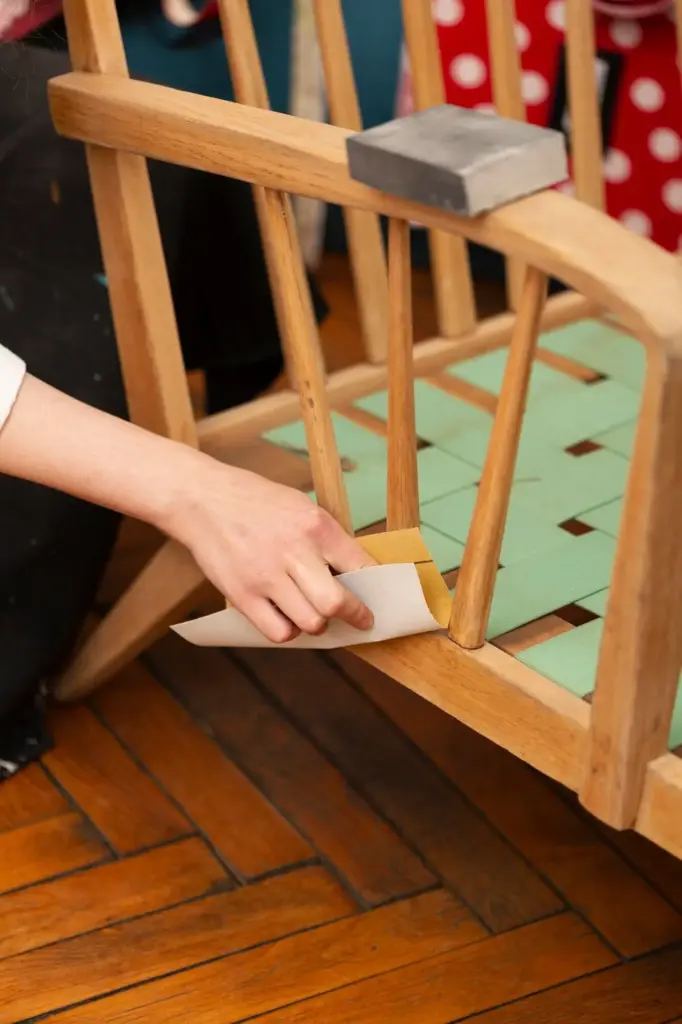
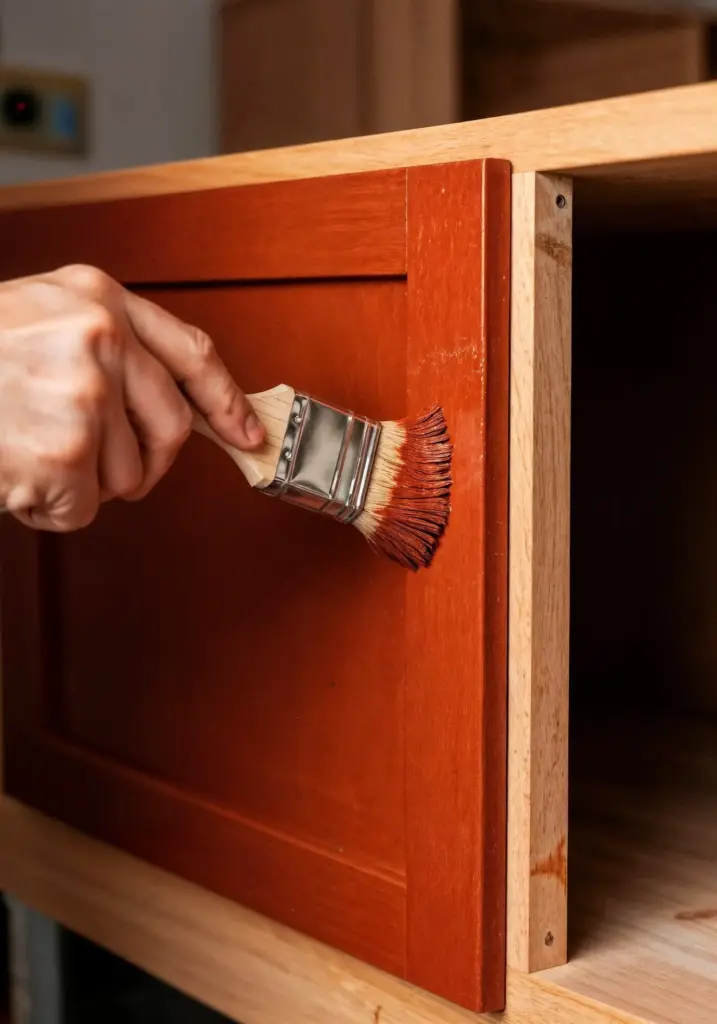
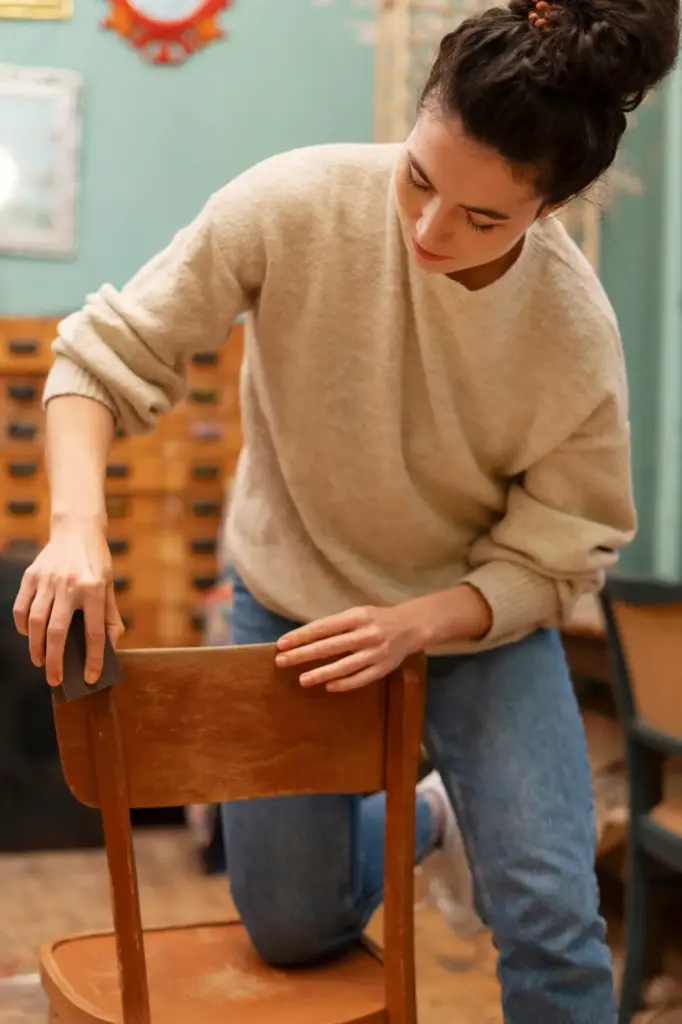
Certain materials develop character rather than decay. Solid woods deepen in tone, natural textiles soften, and unlacquered metals gather a gentle glow. These surfaces tell the story of shared time, not careless wear. Choose finishes you can renew, fibers you can mend, and surfaces that welcome maintenance as a loving ritual. Longevity begins with tactility and the reassuring knowledge that imperfections can be embraced, repaired, and lived with beautifully.
Form, Craft, and the Invitation to Touch
Shape and construction help objects feel dependable. Human-scaled proportions, supportive angles, and rounded transitions reduce fatigue and increase confidence. Visible craft—honest joinery, standard fasteners, and repairable assemblies—reassures owners that maintenance is possible. When a piece feels good in the hand, stable beneath the body, and transparent in its construction, it earns patience through mishaps and moves. Comfort becomes advocacy, and advocacy shelters objects from premature goodbyes.
Color, Light, and Seasonal Harmony
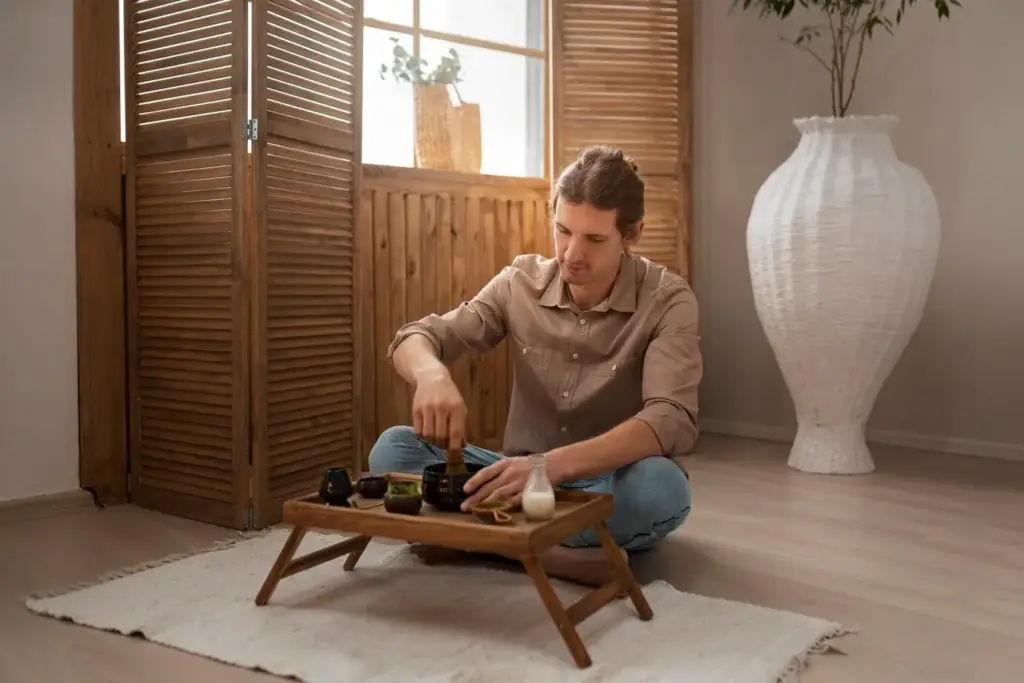
Colors and light guide mood, presence, and patience. A palette that tolerates change—layer-friendly neutrals with humble accent notes—stays relevant as life evolves. Daylight should be invited, softened, and balanced by night with warm, dimmable layers. Borrow cues from nature’s cycles, allowing rooms to breathe in summer and cocoon in winter. When lighting and color restore rather than excite endlessly, people linger, and lingering grows the roots that keep things loved.
Stories, Place, and Personalization
Meaning binds people to places. Curate displays that breathe, pairing personal artifacts with negative space so each object can speak. Invite local craft to ground the room in its region, and let travel pieces punctuate, not dominate. A few sincere choices beat many scattered ones. When stories are legible and supported by thoughtful placement, rooms become biographical: they reflect growth without becoming cluttered, sustaining attachment through relevance rather than sheer accumulation.
Curating Meaning Without Clutter
Choose a focal shelf, mantel, or wall to host rotating vignettes. Use consistent frames, simple stands, and generous spacing to give memories dignity. Edit quarterly, storing rather than discarding, so freshness doesn’t require loss. Pair tactile pieces—ceramics, carved wood—with photographs to blend senses. This rhythm prevents overwhelm, keeps dusting easy, and elevates each item’s significance, ensuring your environment feels intentional, supportive, and worthy of long-term attention and gentle care.
Local Craft, Global Memory
Commission or adopt pieces made nearby—woven baskets, turned bowls, stitched cushions—so maintenance and stories stay close at hand. Mix them with one or two travel mementos that carry strong narratives. The contrast adds vitality without theatrical excess. Label the underside with dates and names; provenance grows attachment. When objects are linked to real people and places, they invite retelling, repair, and generational passage, strengthening longevity through shared pride and continuity.
Care, Repair, and Community
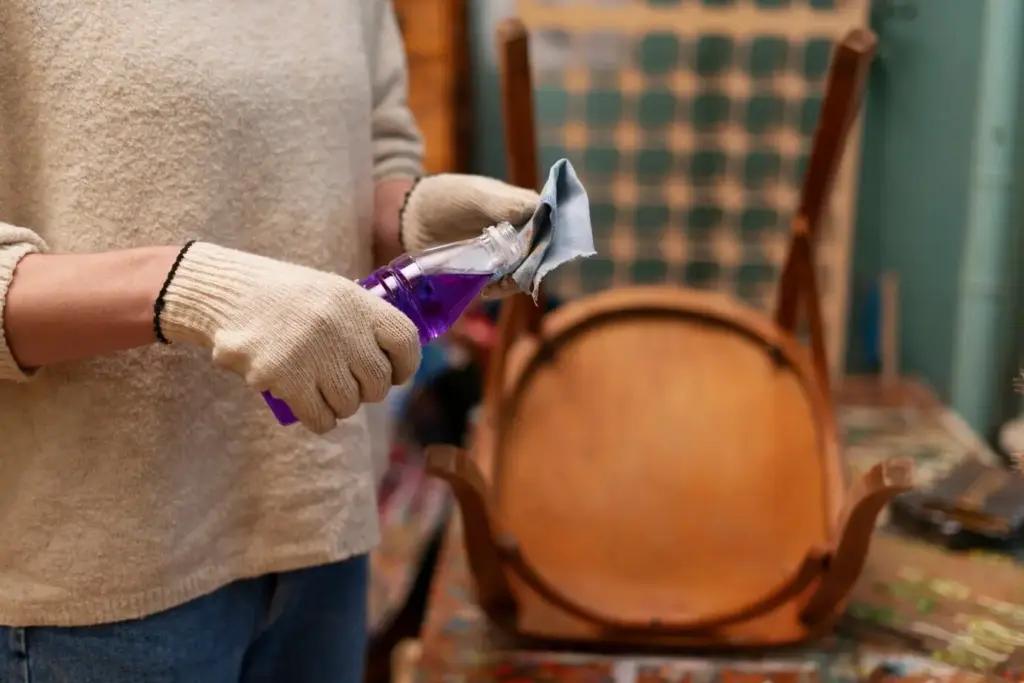
Longevity is a practice. Establish maintenance rhythms, keep simple tools nearby, and treat small fixes like acts of respect. Share knowledge with friends and neighbors, and learn from local repair pros who can extend a piece’s life with skill. Celebrate visible mends as badges of love. When care is routine, owners feel empowered, costs drop, and interiors accumulate a reassuring patina of stewardship that invites others to join and continue.

All Rights Reserved.